

Vienna Summit Calls for Action on Youth Mental Health Online
Youth mental health online took center stage this week as global researchers, clinicians, technologists, and advocates convened at the World Congress on Suicide Prevention in Vienna. Held under the auspices of the International Association for Suicide Prevention (IASP), the four-day conference tackled the urgent need to understand and reshape the digital environments where adolescents now spend so much of their lives.
Amid growing scrutiny of social media’s impact on mental well-being, delegates explored not only the threats these platforms pose, but also the untapped opportunities to use them as tools for connection, support, and suicide prevention.
Global experts confront the digital frontier of adolescent mental health at the 2025 World Congress on Suicide Prevention
A series of sessions at the World Congress on Suicide Prevention in Vienna (June 10-13, 2025) held by the International Association for Suicide Prevention focused on the role of social media in suicide prevention highlighting the challenges and opportunities to support mental health and well-being through social platforms.
Platforms Move to Safeguard Youth Mental Health Online
A headline plenary session featuring TikTok, Meta, and Snap Inc.— moderated by Thrive Director Dr. Dan Reidenberg — revealed a notable shift in how platforms approach online safety. Instead of merely responding to harmful content, companies now aim to prevent it through intentional, integrated design.
TikTok outlined its evolving use of automated content screening that removes self-harm material before it ever reaches a user’s feed. Meta shared new features that allow teens to filter algorithmic suggestions in real-time. Snap Inc. highlighted interface elements designed to disrupt doom-scrolling and surface support content when it’s needed most.
These moves reflect a shared acknowledgement: promoting youth mental health online requires more than policy statements. It demands that safety and empathy are written directly into product architecture.
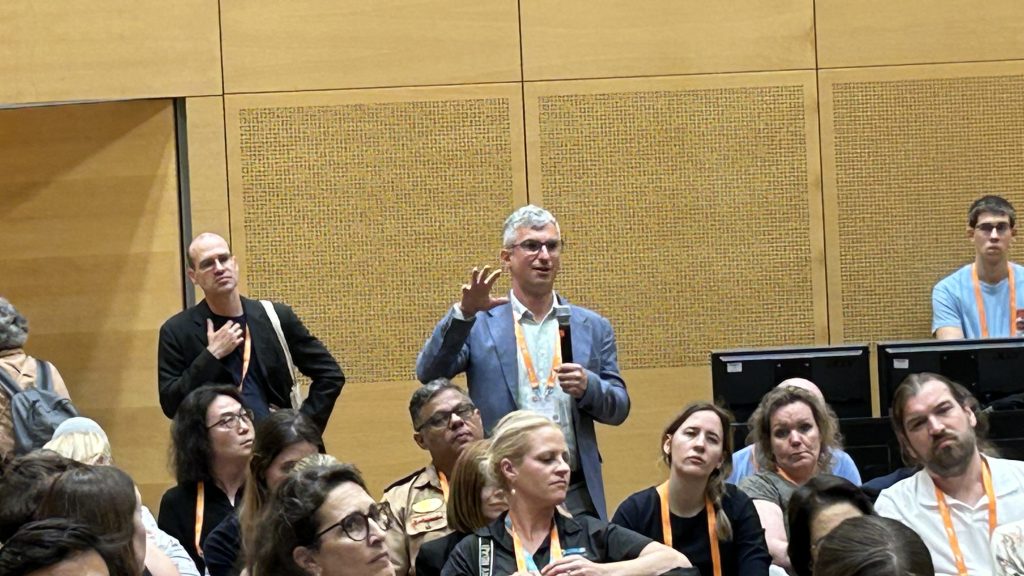
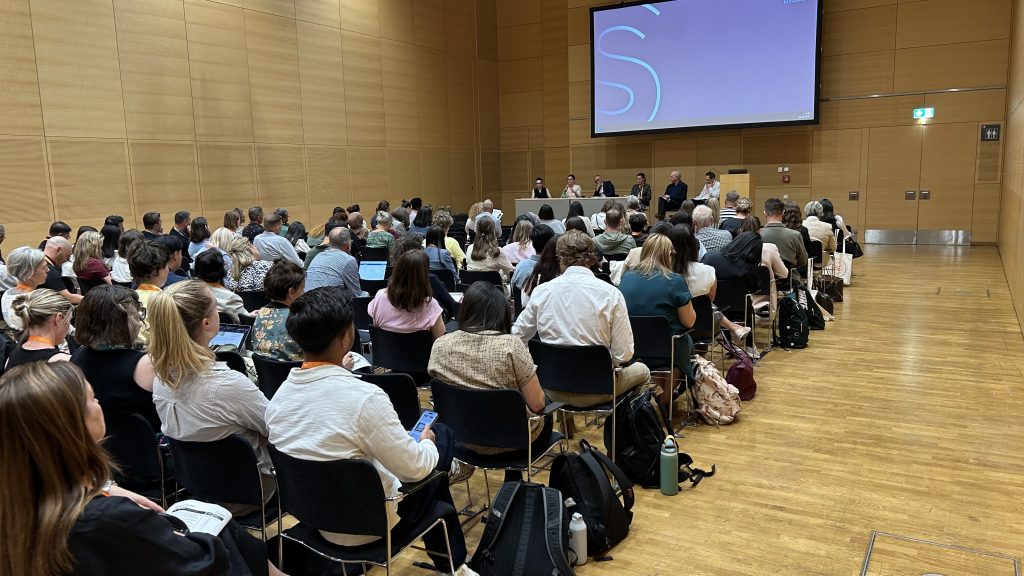
World Congress on Suicide Prevention, Vienna – June 13, 2025
From Consultation to Co-Creation: Youth at the Table
The loudest calls for change came from young people with lived experience. Their message was unequivocal—any attempt to create safer digital spaces must include the perspectives of those who live in them every day.
Teen speakers criticized tools that fail to understand their language, their subcultures, or their coping patterns. They championed co-design—a process in which youth work alongside developers to create features that reflect their realities, not adult assumptions.
Platforms that have piloted youth advisory panels acknowledged the effectiveness of this model and pledged deeper engagement going forward.
A Data-Backed Case for Digital Hope
Professor Paul Yip of the University of Hong Kong presented data demonstrating the power of youth mental health online interventions that emphasize recovery and solidarity. His team’s research showed that when platforms actively elevate positive, hopeful content—rather than simply removing harmful material—users are more likely to engage, seek support, and feel seen.
Yip argued for a future in which digital ecosystems promote resilience, not just safety, and noted that this future is within reach if platforms commit to thoughtful moderation and evidence-based design.
Toward a Shared Framework for Digital Well-being
Throughout the conference, speakers emphasized the necessity of sustained collaboration. The complex challenge of supporting youth mental health online cannot be solved by tech companies alone—or by public health systems acting in isolation. It requires partnerships grounded in shared data, open communication, and co-authored solutions.
Programs like Thrive, which facilitate cross-platform signal sharing and engage researchers, advocates, and industry leaders, offer a promising model of what this cooperation can look like in practice.
What Comes Next
The Congress closed with a call to action: make the digital world safer for adolescents not in the next generation of apps, but in the current ones. This moment demands urgency—and accountability.
If the insights shared in Vienna translate into long-term strategy, platforms may begin to reverse the harms of the past decade and fulfill their unrealized potential as tools of connection, care, and hope.
Youth mental health online is no longer a peripheral concern. It is now one of the defining public health and design challenges of our time.